
Techbleed manages the complete infrastructure lifecycle—from initial assessment and design through installation, configuration, testing, and documentation.
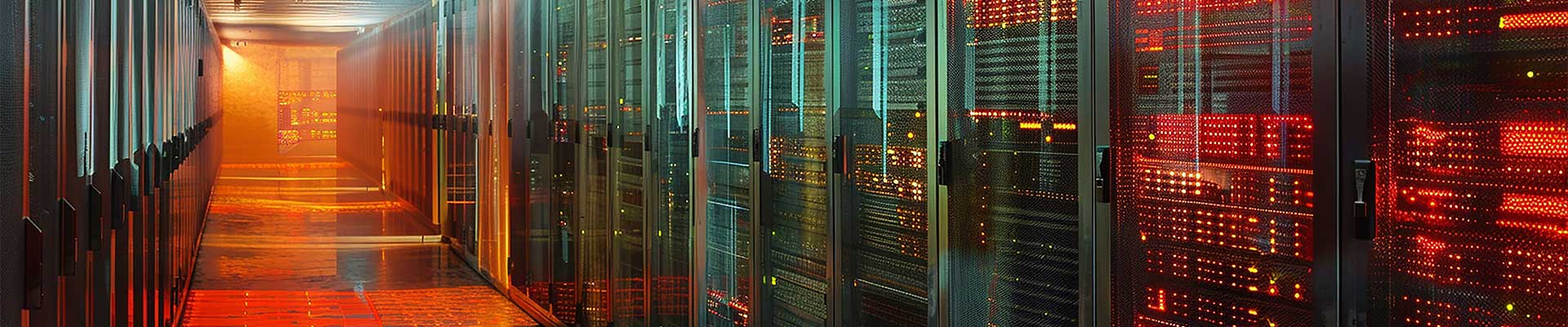
Network Infrastructure Services in Glendale, CA
Designed Right. Built Clean. Ready to Perform.
Reliable network infrastructure is the foundation behind every system your business depends on, from cloud applications and communications to security tools and employee devices.
Techbleed designs and deploys network infrastructure for businesses in Glendale and the greater Los Angeles area. We handle planning, equipment selection, structured cabling, server rooms, network hardware, Wi-Fi, configuration, testing, and documentation as one coordinated project.
The result is an organized, secure, and scalable technology foundation built around the way your facility and business actually operate.
Network Design · Structured Cabling · Server Rooms · Wi-Fi · Equipment Deployment
The Foundation Behind Every Business System
Network infrastructure is more than a collection of cables, switches, and wireless access points. It is the physical and technical foundation that connects your employees, devices, applications, cloud services, communication platforms, and security systems.
When infrastructure is poorly planned, businesses often experience unstable connectivity, weak Wi-Fi coverage, difficult maintenance, recurring performance issues, and expensive limitations when they need to expand.
Techbleed approaches infrastructure as one connected environment. We evaluate how people and systems operate, design the appropriate topology, coordinate equipment and installation, and validate the complete environment before handover.
When ongoing support is required, the network can continue to be maintained as part of Techbleed’s broader Managed IT Services.
OTHER SERVICES
How We Design and Build Your Network Infrastructure
Infrastructure Assessment and Network Design
We evaluate your facility, users, devices, applications, connectivity requirements, security needs, and future plans to develop an appropriate network topology and deployment scope.
IT Procurement and Equipment Planning
We help select and standardize servers, switches, routers, firewalls, wireless equipment, endpoints, and supporting components based on compatibility, performance, and long-term requirements.
Structured Cabling
We design and install Cat5e, Cat6, Cat6a, and fiber cabling with organized routing, patch panels, labeling, and cable management practices that simplify future maintenance.
Server Room and Rack Infrastructure
We plan rack layouts, equipment placement, patching, power distribution, and ventilation considerations to create an organized and accessible infrastructure core.
Network Equipment Installation and Configuration
We deploy and configure switches, routers, firewalls, and wireless access points, including VLANs, network segmentation, addressing, and secure connectivity.
Wi-Fi Planning and Coverage
We evaluate floor plans, interference, user density, device requirements, and coverage gaps to design reliable wireless connectivity throughout the facility.
Power Planning for IT Equipment
We coordinate power distribution, UPS requirements, and surge protection for network and server equipment to reduce the risk of instability or hardware damage.
Testing, Documentation, and Deployment Validation
We test connectivity, performance, Wi-Fi coverage, equipment functionality, and system stability before documenting the network topology, cabling, and essential configurations.
How the Infrastructure Deployment Process Works
What Better Network Infrastructure Changes
More Stable Connectivity
A properly designed topology and correctly configured equipment reduce avoidable performance problems and network interruptions.
Cleaner, Easier Maintenance
Organized racks, labeled cabling, documented connections, and standardized equipment make troubleshooting and future changes more efficient.
Infrastructure Ready for Growth
The environment is designed with future users, devices, applications, locations, and capacity requirements in mind.
Better Wi-Fi Coverage
Wireless access points are positioned and configured according to the facility, user density, devices, and actual coverage requirements.
Stronger Network Security
Firewalls, VLANs, segmentation, and controlled access help limit unnecessary exposure between users, devices, and systems.
Faster Technical Troubleshooting
Clear documentation and an organized physical environment help technicians identify problems without first reconstructing how the network was built.
If your business is experiencing recurring performance issues, learn why your office network may be slow and how bandwidth, Wi-Fi, equipment, cabling, and configuration can create different bottlenecks.
If your business is experiencing recurring performance issues, learn why your office network may be slow and how bandwidth, Wi-Fi, equipment, cabling, and configuration can create different bottlenecks.
Frequently Asked Questions
What are Network Infrastructure Services?
Network Infrastructure Services cover the planning, equipment, cabling, installation, configuration, testing, and documentation required to connect a business’s users, devices, systems, and locations.
This may include structured cabling, racks, switches, routers, firewalls, wireless access points, servers, power considerations, and network design.
Does Techbleed provide both network design and installation?
Yes. Techbleed can manage the project from assessment and design through equipment planning, cabling, installation, configuration, testing, and handover.
The exact scope is defined according to the facility and project requirements.
What types of structured cabling do you install?
Depending on the environment and performance requirements, Techbleed can work with Cat5e, Cat6, Cat6a, and fiber cabling.
The appropriate cable type is selected based on distance, bandwidth, equipment, building conditions, and long-term infrastructure needs.
Can Techbleed build or reorganize a server room?
Yes. We can assist with rack installation, equipment layout, patch panels, cable organization, power distribution, labeling, and other infrastructure elements required for an organized server or network room.
Do you install and configure network equipment?
Yes. Techbleed installs and configures supported switches, routers, firewalls, wireless access points, and other network equipment.
Configuration may include VLANs, segmentation, IP addressing, secure access, and connectivity between required systems.
Can you improve Wi-Fi coverage in an existing office?
Yes. We can evaluate the existing wireless environment, identify weak coverage or interference, and recommend changes to access point placement, configuration, or equipment.
Wi-Fi performance can also be affected by the building layout, materials, user density, device types, and internet connection.
Does Techbleed help select and procure equipment?
Yes. We can assess business and technical requirements, recommend appropriate equipment, coordinate with vendors, and help standardize hardware across the environment.
Final recommendations consider compatibility, performance, supportability, availability, and long-term operational requirements.
Can an existing network be upgraded without stopping operations?
Many upgrades can be completed in stages to reduce disruption. The implementation plan may include pre-configuration, temporary connectivity, after-hours work, phased equipment replacement, and testing before final cutover.
The expected impact is reviewed before work begins.
What documentation is provided after deployment?
Documentation may include network topology, equipment details, rack layouts, cabling records, labeling information, IP addressing, and essential configuration references.
The exact documentation package depends on the scope and complexity of the project.
Is ongoing network support available?
Yes. Techbleed can provide troubleshooting, maintenance, monitoring, configuration changes, and ongoing network management through a broader Managed IT Services engagement.
How is Network Infrastructure different from Riser Management?
Network Infrastructure focuses on the systems and connectivity used within a business or tenant environment, including local cabling, equipment, racks, Wi-Fi, and network configuration.
Riser Management focuses on shared telecommunications pathways within commercial buildings, including vertical risers, pathway organization, cable documentation, access coordination, and infrastructure governance.
Is Network Infrastructure part of Managed IT Services?
Network Infrastructure is one of the primary service areas within Techbleed’s Managed IT Services.
Infrastructure projects can also be delivered as standalone deployments, while ongoing monitoring, maintenance, and support can continue through a managed service relationship.
How is equipment power planning different from Power Protection?
On this page, power planning covers the electrical and UPS requirements of network and server equipment during infrastructure deployment.
Power Protection addresses broader operational continuity, including outage scenarios, runtime requirements, protected systems, and how the business continues operating during electrical disruption.